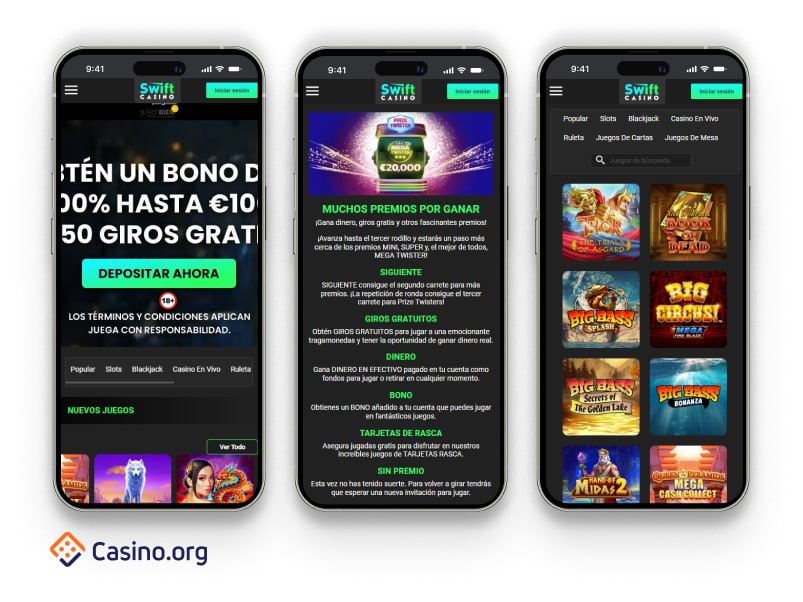
Internet account safety has moved far beyond the simple account name and secret key combination that used to lead the early internet. Players accessing services like casino swift now expect personal data and money to sit behind protective safeguards that can withstand modern cyber threats. Two-factor authentication, often shortened as 2FA, is one of the most effective defenses against unauthorized account access. It incorporates a second verification step during authentication, so a stolen password is not adequate. Even if a password is hacked, an attacker still cannot log in without a unique, temporary credential. Learning how this technology works, and why it has become an industry norm, lets users take direct charge of their digital safety while still enjoying a secure gaming experience.
Detailed Guide to Enabling 2FA on Your Account
Activating two-factor authentication is usually a simple procedure intended to be user-friendly even if you do not think of yourself as technical. Begin by accessing the account security or privacy settings after logging into the platform. Most modern services put the option prominently under a heading like “Login & Security” or “Account Protection.” Before starting the setup, keep a backup device handy or have a pen and paper ready to record recovery codes. If you misplace the authenticator and have no backup, even the legitimate owner can be locked out of the account.
- Log in into the account and go to the security settings section, then find and click the “Enable Two-Factor Authentication” option.
- Pick the preferred authentication method. Authenticator applications are generally advised over SMS for better security.
- The platform will show a distinct QR code. Start the chosen authenticator application on the mobile device and scan this code to set up the synchronization.
- Type the six-digit code created by the application back into the platform’s verification field to verify the setup was successful.
- Capture, screenshot, or write down the offered recovery codes and store them in a secure offline location, such as a locked drawer or a password manager backup.
Once the setup is verified, the system right away starts requiring the time-sensitive token on all future login attempts from unrecognized browsers or devices. Many platforms also create a set of single-use backup codes after activation. These codes are the only method of entry if the primary authenticator device is stolen, stolen, or wiped. Treat backup codes with the same level of secrecy as a primary banking password. Keeping them in a secure, encrypted note application or a physical safe significantly lowers the risk of permanent account lockout.
Standard Types of Two-Factor Authentication Methods
Multiple distinct methods exist for providing the second factor, with each balancing ease of use against technical security. Time-based codes are the most prevalent implementation. Authenticator apps including Google Authenticator and Microsoft Authenticator utilize a shared secret key and the existing time to generate a new six-digit code every thirty seconds, with no need for an internet connection. Security professionals favor this method because it resists SIM-swapping attacks. In a SIM swap, a criminal deceives a mobile carrier into transferring a victim’s phone number to a new SIM card they manage, which can breach SMS-based verification.
Hardware tokens represent the highest level of protection. A physical USB or NFC device confirms identity cryptographically. A few companies make these tokens, and they usually work by connecting to a USB port or holding against a phone to establish possession. These tokens are highly safe, but they are rarer in recreational gaming because they have a cost and are easy to misplace. Biometric factors like fingerprint scanning and facial recognition are increasingly employed as a second factor, especially on mobile devices, blending possession of the phone with a unique personal attribute. Some platforms still support email-based codes, though security experts generally rank this inferior to app-based tokens. Email accounts without 2FA enabled can themselves be taken over and employed to capture the code.
The Significance of 2FA in Compliance with Regulations and Data Protection
Italian and European regulatory frameworks more and more demand gaming platforms to use robust authentication to fight fraud and money laundering. MFA is not a supplementary feature. It is a cornerstone of adhering to technical requirements with regulations like PSD2, which regulates electronic payment protection. Contemporary 2FA implementations link the transaction amount and payee identity to the authentication code, which stops man-in-the-middle manipulation. Regulators treat this as crucial safeguard for consumers depositing and withdrawing funds in real time, and as a way to preserve the wider financial ecosystem balanced.
Aside from financial oversight, data protection laws such as GDPR enforce substantial penalties on companies that fail to secure personal data with appropriate technical measures. A strict 2FA login proves that the data controller has established proper access controls in place to avoid unauthorized exposure. This forward-thinking approach to encryption and access management safeguards both the player and the platform from the reputational harm of a data exposure. For users, strong authentication on the login page is a concrete indicator that the operator manages private information with expert care. That signal counts before a player ever deposits money.
2FA is a established, reliable barrier that transforms a vulnerable single-password login into a stronger validation of identity. By integrating long-term secrets with short-lived physical tokens, it shatters the business model of mass credential hacking. No system can promise perfect security, but turning on 2FA and managing backup codes responsibly eliminates the overwhelming bulk of common attack routes. Players who embrace these tools stop being passive victims and become active defenders of their own gaming activities, keeping play free from the interference of unauthorized third parties.
Frequent Security Pitfalls and Ways to Avoid Them
2FA sharply increases the threshold against unauthorized access, but human error can still create vulnerabilities. A common mistake is taking a screenshot of the QR setup code or backup keys and leaving it unencrypted in a general photo gallery. Malware or cloud-sync accidents can expose those images, effectively handing a bypass token to anyone who discovers them. Another frequent pitfall arises when users approve push notification requests without reading the context. If an authentication request comes while you are not actively attempting to log in, that is a signal of an active attack where someone has already compromised the password.
Attackers have also created phishing kits that clone real login pages and ask for the one-time code in real time. These relays can bypass time-based passwords if the victim submits the code into a fake website. To prevent this, inspect the browser URL bar thoroughly before entering any credentials. Use a bookmark for the Swift Casino login page instead of tapping links in messages. Good digital hygiene keeps the power of 2FA from being undermined by social engineering.
Restoring Access to a Suspended Account
Losing access to a two-factor authentication device generates sudden stress, but recovery protocols are designed to return entry for the verified owner while keeping intruders out. The initial and most effective route is a previously saved backup code. Input one of these single-use codes at the 2FA prompt rather than the time-sensitive token. After successful validation, the platform typically asks the user to reconfigure 2FA promptly, removing the old lost device and attaching the new one. This also renders useless any tokens left on the missing phone, so it won’t be misused.
If the recovery codes are as well missing, the user must initiate the platform’s manual account recovery workflow. This process is intentionally slower and more stringent to avoid social engineering attacks. Support staff will request considerable evidence of identity to align the records stored from the original Know Your Customer verification. The listed materials are usually required to prove legal ownership personally:
- A legible, high-resolution scan or photo of a valid government-issued identity document, such as a passport or national identity card.
- A selfie of the account holder holding that identical identity document next to their face, at times with a handwritten note featuring the current date and a particular code provided by support.
- Proof of ownership of the linked payment method or a latest transaction ID that ties the financial source to the account profile.
Dealing with these manual recovery claims takes time because security teams have to verify every detail. The wait can range from a few hours to several business days varying by the operator, but the delay is component of the defense. The operator’s focus is stopping fraudulent identity spoofing. Once the claim is completely verified, the security restrictions are cleared and the player can set up a new authenticator. This detailed procedure requires patience, but it assures that a locked account cannot be stolen through soft impersonation. That is portion of why the system remains a reliable guardian of user funds.
The way Two-factor Authentication Works When Login
When a user starts the login process on a secure portal, the sequence begins with the usual username and password. If those initial credentials correspond to the encrypted database records, the system regards the attempt as a legitimate first step but still does not grant access. Instead, the server produces a distinct request for the second factor and transmits it only to a pre-registered device or app owned by the account holder. The transmission goes out-of-band, over a medium separate from the browser session where the password was typed. That makes interception far harder for remote attackers.
The user then gets a notification or a one-time numeric code through a dedicated authentication application, SMS, or email. The exact delivery channel is based on what the user selected during setup, and each channel has different trade-offs for speed and security. The platform shows a field where the code must be entered within a restricted time, usually thirty to sixty seconds, before it expires. After the server confirms the temporary token and matches it against the account seed, the session becomes fully authenticated. This extra step ensures that the trusted device is physically present, adding a real-world anchor to the digital login attempt.
What Is Two-factor Authentication
Two-step verification is a security protocol that requires two distinct types of evidence before a person can enter an online account. These two factors usually fall into different categories: something the user has memorized, such as a password or PIN, and something the user owns, like a smartphone or a hardware token. Dividing the two proofs across those categories is what provides the system its strength. Merging these separate elements creates a layered defense. If a cybercriminal compromises or cracks a password through a phishing attack or a data breach, the missing physical device necessary for the second factor halts the intrusion immediately. That design neutralizes many automated attacks built around stolen credential databases.
The reasoning behind 2FA is that an attacker is improbable to hold both a user’s password and their personal mobile device at the same time. When someone tries to log in from an unrecognized device or browser, the platform instantly asks for the second factor. If that step is not completed, the login session cannot continue. Without that second check, the entire login relies on a secret that may already have leaked. This creates a powerful barrier around sensitive account details, financial balances, and personal identity information. For platforms trusted with real-money transactions, this assurance is not a luxury. It is a basic requirement.
The reasons why 2FA Counts for Internet Gaming
Internet gaming and betting platforms manage a high volume of monetary transactions every day, which turns them into attractive targets for online crime. A player account often includes deposit balances, stored withdrawal options, and comprehensive identity documents collected during the KYC verification process. A data breach can cause financial theft and identity misappropriation. Multi-factor authentication minimizes these dangers by confirming that access attempts and transaction approvals come from the real account owner. Protecting the access point stops illicit cashouts and blocks modifications to important security settings that could block the rightful owner out of their own account.
In addition to immediate monetary security, 2FA encourages a wider mindset of regulatory compliance and responsible gaming. Regulatory bodies in Italy prioritize user protection, and platforms like Swift Casino align their security protocols with those standards. When robust authentication is offered, users recognize that the site takes data integrity seriously. In a industry where confidence holds primary importance, a protected authentication method shows that the site has invested in solid backend infrastructure. Even when no breach is occurring, that kind of protection alters how users interact with the platform. That enables gamblers to zero in on entertainment instead of fretting over the protection of their login details.
Configuring Authenticator Apps and Backup Codes
Setting up an authenticator app demands a quick period of precise care so the setup functions flawlessly. After getting a reliable app like Google Authenticator or Authy, grant it the camera access required to capture the QR code shown by the gaming platform. The cryptographic handshake that happens during this scan binds the individual phone to the account separately of the phone number. If you prefer not to scan, a hand-entered alphanumeric setup key is always supplied. Typing that key by hand accomplishes the same secure pairing, and it is an important alternative for users establishing 2FA on a desktop device they will use to create codes.
Backup codes are the safety net in a 2FA implementation. Platforms usually produce eight unique numbers, and each one can be utilized a single time to skip the token need. Without meticulous recovery planning, a shattered glass or a misplaced device can transform a security feature into an insurmountable barrier for the account owner. Users should never keep backup codes solely on the identical device that produces the tokens. A printed copy in a fireproof container, or versions stored on reliable secure cloud storage, maintains recovery options even during a full equipment malfunction while traveling.
Leave a Reply